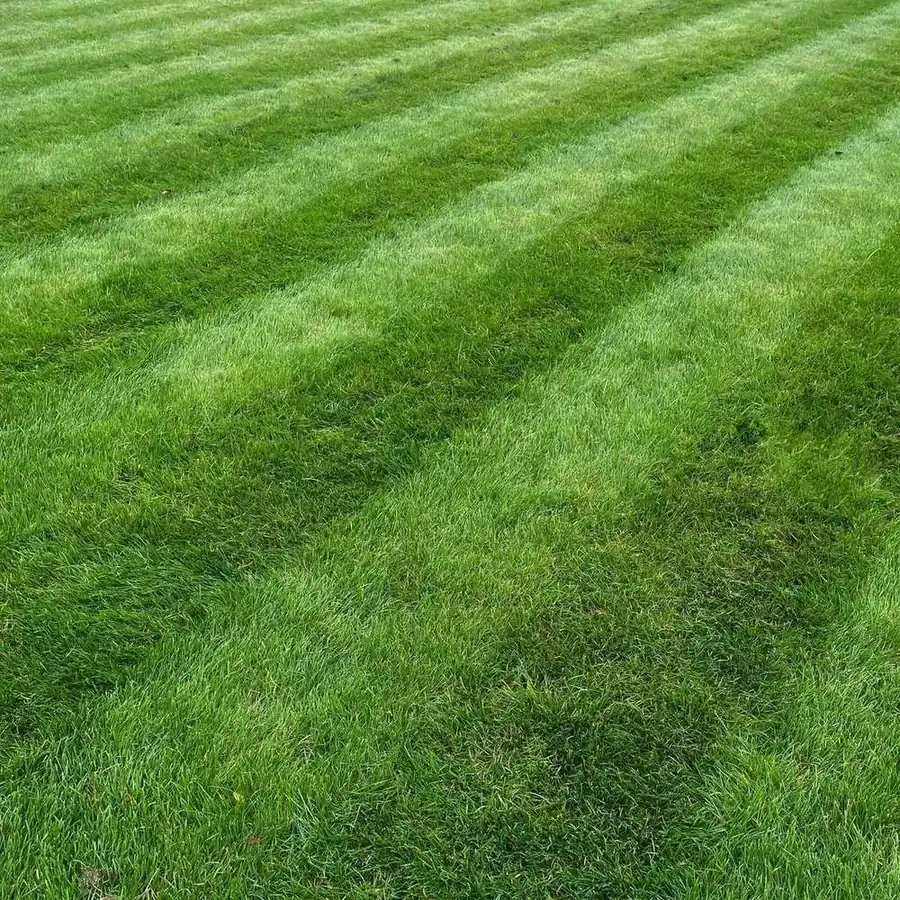
The Truth About Mowing Frequency
"How often should I mow my lawn?" It's one of the most common questions we get. The answer isn't as simple as "once a week"—it depends on several factors, including the season, weather, and your grass type.
The One-Third Rule
The golden rule of lawn mowing: never remove more than one-third of the grass blade at once. Cutting too much stresses the grass, weakening roots and making your lawn more vulnerable to weeds and disease.
What this means in practice:
- If you want a 3-inch lawn, mow when it reaches 4.5 inches
- If you want a 4-inch lawn, mow when it reaches 6 inches
Seasonal Mowing Schedules
Spring (April - May)
Grass grows rapidly in spring. You may need to mow every 4-5 days during peak growth periods. As temperatures warm and rain is plentiful, your grass can grow an inch or more per week.
Summer (June - August)
Growth typically slows during hot, dry periods. Mowing every 7-10 days is usually sufficient. During drought conditions, let your lawn grow taller (4 inches) to shade roots and retain moisture.
Fall (September - October)
Growth picks up again as temperatures cool. Return to mowing every 5-7 days. Continue mowing until the grass stops growing, usually after the first hard frost.
Why Mowing Height Matters
Taller grass isn't just about appearance—it's healthier:
- Deeper roots: Taller grass develops deeper root systems
- Weed prevention: Thick, tall grass shades out weed seeds
- Drought resistance: Longer blades retain more moisture
- Disease resistance: Healthy grass fights off fungal infections better
The Dangers of Scalping
"Scalping" means cutting your grass too short. It might seem like a time-saver, but it causes serious problems:
- Exposes soil to sunlight, encouraging weed growth
- Stresses the grass, turning it brown
- Weakens the root system
- Makes your lawn more susceptible to heat and drought damage
Mulching vs. Bagging
Mulching (leaving clippings on the lawn) returns nutrients to the soil. It's free fertilizer! The clippings break down quickly and don't cause thatch buildup when you mow regularly.
Bagging is only necessary when:
- Grass is very long and clippings would smother the lawn
- You're dealing with a disease and want to prevent spreading
- Clippings contain a lot of weed seeds
Professional Mowing Services
Not everyone has time to mow as often as their lawn needs. That's where professional lawn care comes in. At WayBetter Landscaping, we adjust our mowing schedule based on actual growth conditions—not just the calendar.
Get a free quote for weekly lawn maintenance services.