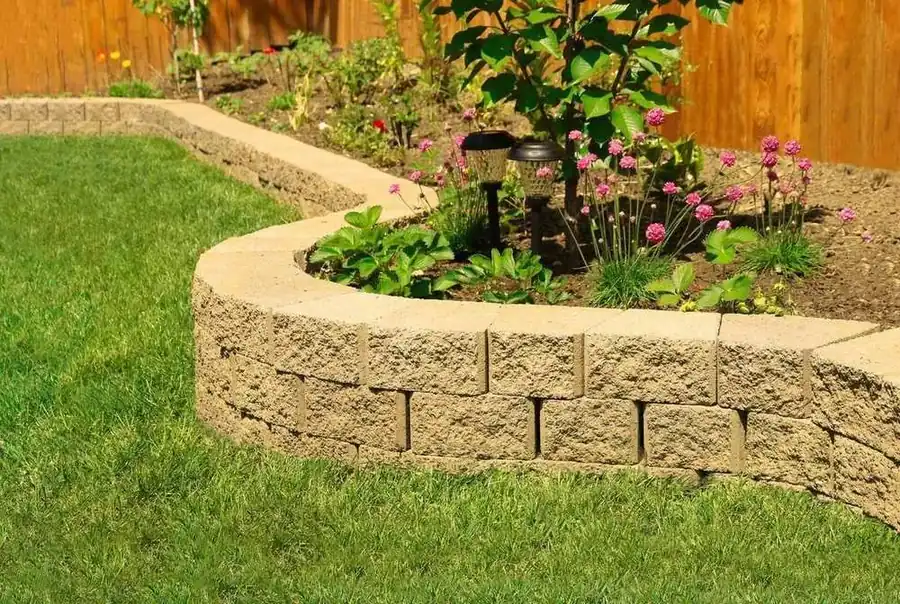
Understanding Retaining Walls
Retaining walls are more than just decorative features—they're engineering solutions that hold back soil and create level spaces in sloped yards. Whether you're dealing with erosion, want to create a terraced garden, or simply need more usable outdoor space, a retaining wall might be the answer.
When Do You Need a Retaining Wall?
Consider a retaining wall if you have:
- Sloped yard: Creating level areas for patios, gardens, or play spaces
- Erosion problems: Soil washing away during heavy rains
- Drainage issues: Water pooling against your foundation
- Aesthetic goals: Adding visual interest and structure to your landscape
Types of Retaining Wall Materials
1. Concrete Blocks (Segmental Retaining Walls)
The most popular choice for residential projects. Interlocking concrete blocks are durable, relatively affordable, and come in many colors and textures.
Pros:
- Easy installation
- Many design options
- Long-lasting (50+ years)
- No mortar required
Best for: Walls under 4 feet, DIY-friendly projects
2. Natural Stone
Beautiful and timeless, natural stone walls blend seamlessly with the landscape.
Pros:
- Unique, natural appearance
- Extremely durable
- Increases property value
Cons:
- More expensive
- Requires skilled installation
- Heavier, needs proper foundation
Best for: High-visibility areas, upscale landscapes
3. Poured Concrete
Solid concrete walls are the strongest option, often used for taller walls or heavy loads.
Pros:
- Maximum strength
- Can support significant loads
- Long lifespan
Cons:
- Requires professional installation
- Plain appearance (can be faced with stone or stucco)
- More expensive
Best for: Walls over 4 feet, structural applications
4. Timber
Wood creates a warm, natural look but has a shorter lifespan than masonry options.
Pros:
- Lower initial cost
- Natural appearance
- Easier to work with
Cons:
- Shorter lifespan (10-20 years)
- Susceptible to rot and insects
- May warp over time
Best for: Budget projects, garden beds, temporary solutions
Key Design Considerations
Drainage
The #1 cause of retaining wall failure is poor drainage. Water buildup behind the wall creates pressure that can cause collapse.
Essential drainage features:
- Gravel backfill behind the wall
- Perforated drainage pipe at the base
- Weep holes or gaps for water escape
Height and Setback
- Walls over 4 feet typically require engineering and permits
- Taller walls should be "stepped back" with terraces
- Check local building codes before starting
Foundation
Proper foundation is critical:
- Compact soil base
- 4-6 inches of compacted gravel
- First course below grade for stability
Cost Factors
Retaining wall costs vary based on:
- Material choice: $15-$50+ per square foot
- Wall height: Taller walls cost significantly more
- Site conditions: Accessibility, soil type, existing slopes
- Drainage requirements: Additional gravel, pipes, permits
DIY vs. Professional Installation
DIY is appropriate for:
- Walls under 3 feet
- Simple, straight designs
- Good soil conditions
Call a professional when:
- Wall exceeds 4 feet
- Near structures or utilities
- Complex curves or corners
- Drainage problems exist
- Permits are required
Transform Your Yard
A well-designed retaining wall does more than hold back soil—it creates new living space, prevents erosion, and adds lasting value to your property.
Ready to discuss your project? Contact WayBetter Landscaping for a free consultation and estimate.